

Why Study in Singapore?
Singapore has firmly established itself as Asia's premier education hub, attracting over 80,000 international students every year from across the globe. For Indian students seeking a world-class degree in an English-speaking, culturally familiar, and professionally dynamic environment, the decision to study in Singapore is one of the most strategically sound choices available today. Located at the crossroads of East and West, Singapore combines the academic rigour of top-tier Western institutions with the economic energy of Asia's most innovative economy.
Academic Excellence
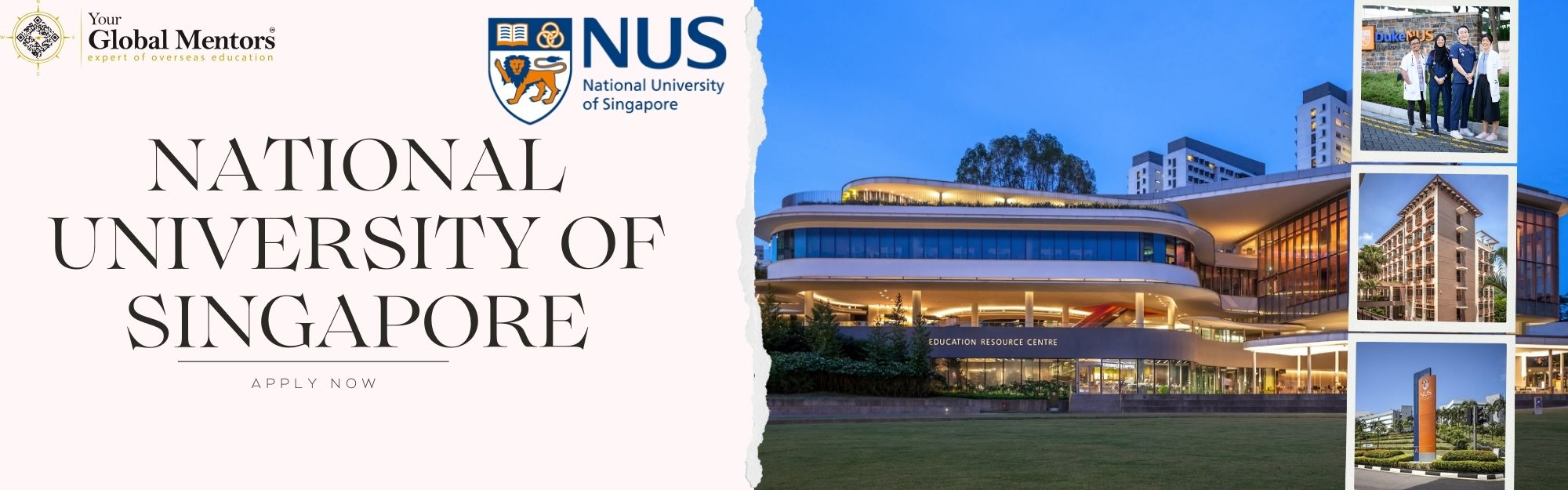
When you study in Singapore, you gain access to some of the world's most respected universities. The National University of Singapore (NUS) and Nanyang Technological University (NTU) consistently rank among the top 15 universities globally in the QS World University Rankings. Singapore Management University (SMU), Singapore University of Technology and Design (SUTD), and Singapore Institute of Technology (SIT) round out an impressive portfolio of institutions offering cutting-edge, industry-integrated programmes. The country's education system is benchmarked against global standards, with a strong emphasis on research, critical thinking, and real-world application, making Singapore graduates highly competitive in international job markets.
Affordable Tuition Fees (by Global Standards)
While Singapore is not the cheapest destination in Asia, it offers exceptional value when measured against the quality of education delivered. Annual tuition fees at Singapore universities typically range from SGD 17,000 to SGD 35,000 (approximately INR 10–21 lakhs) for international students, depending on the institution and programme. Crucially, the Singapore government actively subsidises tuition costs for international students enrolled at publicly funded universities through the Tuition Grant Scheme, reducing fees significantly in exchange for a three-year post-graduation work commitment in Singapore. This makes higher education in Singapore far more financially accessible than equivalent programmes in the UK or Australia.
International Student Environment
Singapore's multicultural DNA makes it one of the most welcoming countries in the world for international students. The city-state is home to Chinese, Malay, Indian, and Eurasian communities, meaning Indian students find a deeply familiar cultural fabric, from the food and festivals to the languages and traditions. Campuses are genuinely international, with students from over 100 nationalities enrolled at major universities. English is the primary language of instruction across all higher education institutions, removing language barriers entirely. Singapore for Indian students truly represents a home away from home.
Recognition of Degrees Worldwide
A degree from a Singapore university carries immense weight globally. NUS and NTU degrees are recognised and respected by employers and institutions across the United States, the United Kingdom, Europe, Australia, and Asia. Whether you plan to build your career in Singapore, return to India, or pursue postgraduate studies internationally, a degree earned when you study in Singapore opens doors at the highest levels of industry, academia, and government.
Ready to begin your Singapore study journey? Contact Your Global Mentors today for a free personalised consultation and expert guidance on university selection, applications, and visas.
Facts About Singapore
One of the most important considerations before you study in Singapore is understanding the true cost of living. Singapore is a developed, world-class city, and living costs reflect that status. However, with careful planning and the use of student resources and subsidies, international students can manage their finances effectively. Below is a detailed breakdown of monthly living expenses to help you budget realistically.
|
Expense Category |
Estimated Monthly Cost (SGD) |
Approx. INR Equivalent |
|
University Hall of Residence |
SGD 400 – SGD 800 |
INR 24,000 – 48,000 |
|
Private rented room (shared) |
SGD 700 – SGD 1,500 |
INR 42,000 – 90,000 |
|
Food (hawker centres & campus) |
SGD 300 – SGD 500 |
INR 18,000 – 30,000 |
|
Public transportation (MRT/Bus) |
SGD 80 – SGD 130 |
INR 4,800 – 7,800 |
|
Health insurance |
SGD 50 – SGD 100 |
INR 3,000 – 6,000 |
|
Utilities & internet |
SGD 50 – SGD 100 |
INR 3,000 – 6,000 |
|
Personal & entertainment |
SGD 150 – SGD 300 |
INR 9,000 – 18,000 |
|
Total Estimated Monthly Cost |
SGD 1,200 – SGD 2,800 |
INR 72,000 – 1,68,000 |
Accommodation
Student accommodation in Singapore is available in two primary forms: on-campus halls of residence and off-campus private rentals. University halls, which offer a vibrant campus community experience, cost between SGD 400 and SGD 800 per month, often including meals. Private rooms in shared Housing Development Board (HDB) flats or condominiums range from SGD 700 to SGD 1,500 depending on location and amenities. Areas closer to university campuses, such as Clementi (near NUS) and Jurong (near NTU), offer more affordable options compared to the Central Business District.
Food Expenses
Singapore's legendary hawker centres are a student's best friend. A complete, nutritious meal at a hawker centre or food court typically costs between SGD 3 and SGD 6, making daily eating surprisingly affordable in what is otherwise an expensive city. Campus canteens offer similarly priced meals. Students who cook at home can expect to spend around SGD 200–SGD 350 per month on groceries. Monthly food expenses for a student who eats smart typically fall between SGD 300 and SGD 500.
Transportation
Singapore's Mass Rapid Transit (MRT) system and bus network are world-class in efficiency and coverage. Monthly public transportation costs for a student range from SGD 80 to SGD 130. The EZ-Link card and SimplyGo system make commuting seamless. Several universities also operate free campus shuttle services, further reducing transport costs. Compared to owning a car, an extremely expensive proposition in Singapore, using public transport is both practical and economical.
Health Insurance & Student Discounts
All international students enrolled at Singapore's publicly funded universities are required to purchase the university's compulsory medical insurance scheme, costing approximately SGD 50–SGD 100 per month. This covers basic inpatient and outpatient treatment. Students enjoy a variety of discounts on public transport, cultural attractions, cinema tickets, and recreational facilities through their university student ID cards and the National Youth Council's Youthsave programme.
Cost Comparison
While living costs in Singapore are higher than in countries like Malaysia, Thailand, or even Poland, they remain lower than equivalent costs in London, Sydney, or New York. Students who leverage university accommodation, hawker food, public transport, and available scholarships can maintain a high quality of life on SGD 1,200–SGD 1,800 per month, a compelling value proposition given Singapore's world-class infrastructure, safety, and career opportunities.
*Note: All the costs mentioned are estimates and are subject to change.
Need help planning your student budget for Singapore? Speak with Your Global Mentors advisor for a customised financial overview before you apply.
Benefits of Studying in Singapore
Choosing to study in Singapore delivers benefits that extend well beyond academic qualifications. Singapore's unique combination of geographic, cultural, economic, and institutional advantages makes it a genuinely transformative destination for international students, particularly those from India looking to build globally competitive careers.
Quality Education
Singapore's higher education institutions are renowned worldwide for their research output, teaching quality, and industry partnerships. NUS is consistently ranked among the top 10 universities in Asia and the top 15 globally. Programmes are co-designed with industry leaders, ensuring graduates are job-ready from day one. The government's sustained investment in education, Singapore spends approximately 20% of its national budget on education, ensures that academic facilities, laboratories, and digital infrastructure remain world-class. When you study in Singapore, you are learning in an environment purpose-built for excellence.
Cultural Diversity
Singapore is one of the world's most multicultural societies, and this diversity is deeply embedded in campus life. For Indian students, the presence of a large, established Indian community, comprising approximately 9% of Singapore's resident population, means cultural comfort is never far away. Deepavali is a public holiday. Tamil is an official language. Indian cuisine, temples, and cultural events are woven into everyday life. This cultural familiarity, combined with genuine international exposure, gives Indian students who study in Singapore the best of both worlds.
Safety and Student-Friendly Environment
Singapore is consistently ranked as one of the safest cities in the world. The Economist Intelligence Unit's Safe Cities Index regularly places Singapore in the global top five. Violent crime is exceptionally rare, public spaces are impeccably maintained, and the rule of law is rigorously upheld. For parents in India sending their children abroad for the first time, Singapore's safety record offers unparalleled peace of mind. The student-friendly environment extends to university support services, mental health resources, career guidance, and accommodation assistance.
Travel Opportunities
Singapore's Changi Airport is repeatedly ranked the world's best airport. serves as a hub for over 100 airlines connecting to more than 100 countries. Students based in Singapore can explore Southeast Asia with remarkable ease and affordability. Weekend getaways to Bali, Bangkok, Kuala Lumpur, Ho Chi Minh City, and the Maldives are entirely practical. This unparalleled connectivity enriches the overall study abroad experience, broadening students' global perspectives and professional networks.
Research and Innovation Opportunities
Singapore is a global leader in research and innovation. The government's Research, Innovation and Enterprise (RIE) 2025 plan commits SGD 25 billion to research and development through 2025. Students at NUS, NTU, and SUTD can engage in cutting-edge research in areas including biotechnology, artificial intelligence, sustainable urban development, and advanced manufacturing. Collaboration with agencies like A*STAR (Agency for Science, Technology and Research) and industry giants such as Grab, Sea Group, and Google Singapore offers students unmatched real-world research exposure.
Discover which Singapore university and programme is the perfect fit for your career goals. Connect with Your Global Mentors for expert, personalised guidance.




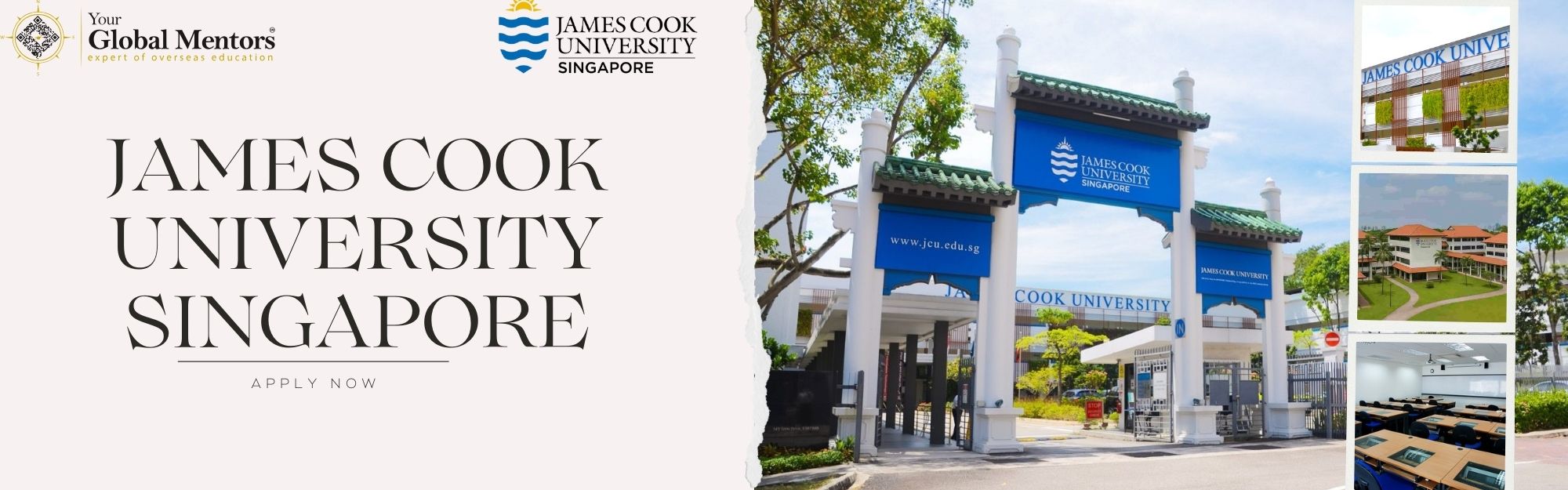
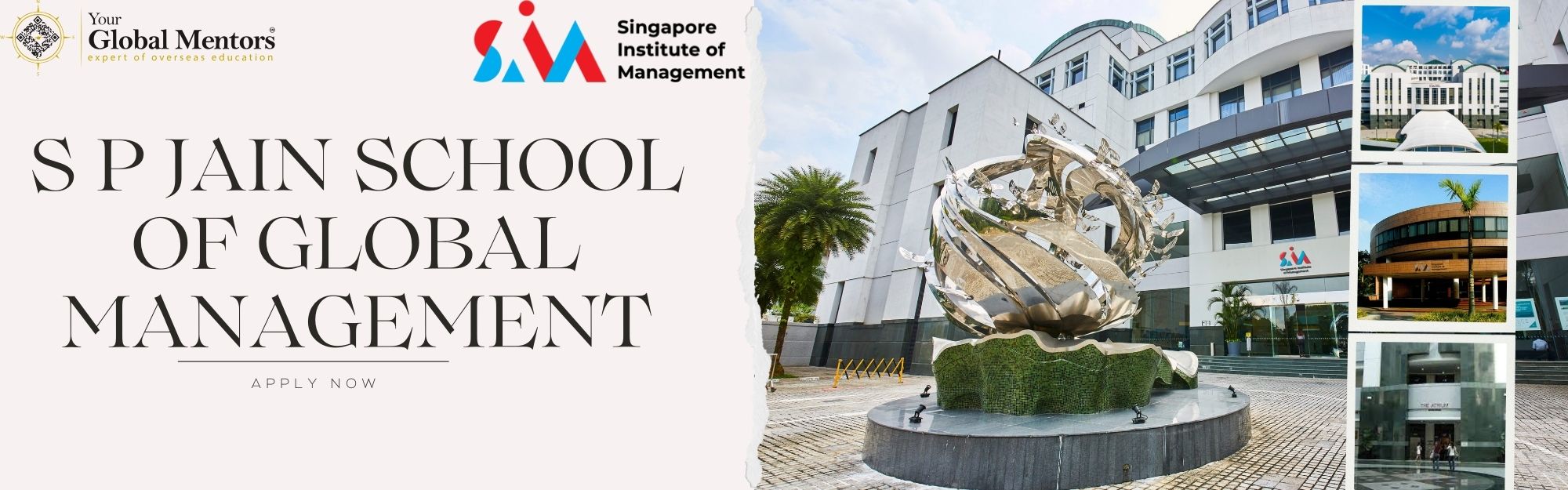

No scholarships available right now.
Understanding the structure of the Singapore education system helps students plan their academic journey effectively. Singapore's universities follow a semester-based academic calendar, with most programmes structured in alignment with international standards, making credit transfers and global recognition straightforward.
|
Programme |
Duration |
Primary intakes |
|
Bachelor's Degree |
3 – 4 years |
August (primary) / January (select) |
|
Masters by Coursework |
1 – 2 years |
August & January |
|
Master's by Research |
2 – 3 years |
August & January |
|
MBA Programme |
1 – 2 years |
August & January |
|
PhD / Doctoral |
3 – 5 years |
August & January |
|
Diploma Programmes |
3 years |
April (Polytechnics) |
Bachelor's Programmes
A Bachelor's degree in Singapore typically spans three to four years, depending on the discipline. Science, humanities, and business programmes generally run for three years, while engineering, architecture, and double-degree programmes extend to four or five years. NUS, NTU, and SMU offer a broad range of undergraduate programmes that are English-taught, making them fully accessible to international students. Admission is competitive, based on academic merit, and requires strong secondary school results alongside English language proficiency scores (IELTS/TOEFL).
Master's Programmes
A Master's in Singapore is available in two formats: coursework-based (one to two years) and research-based (two to three years). Coursework master's programmes are the more popular choice among international students due to their structured curriculum and faster completion times. Research master's programmes suit students aiming for PhD pathways or academic careers. English-taught programs in Singapore at the postgraduate level cover virtually every discipline, from business, law, and public policy to computer science, engineering, and life sciences.
MBA Programmes
Singapore is one of Asia's top MBA destinations. NUS Business School, NTU Nanyang Business School, and SMU Lee Kong Chian School of Business all offer globally ranked MBA programmes. Full-time MBA programmes typically run 12 to 18 months, while part-time and executive formats extend to two years. Singapore's MBAs are highly regarded by employers across Asia, the Middle East, and beyond, making them a particularly strong choice for Indian professionals seeking career advancement on the global stage.
PhD Programmes
Doctoral programmes at Singapore universities generally run three to five years and are primarily research-based. PhD students often receive competitive funding packages including tuition waivers, monthly stipends of SGD 2,000–SGD 3,000, and access to world-class laboratory facilities through institutions like A*STAR. For students with a strong research background and ambitions in academia or R&D, choosing to study in Singapore at the doctoral level is an exceptionally rewarding investment.
Academic Intake Periods
The primary academic intake at most Singapore universities begins in August, aligning with the start of the first semester. A secondary intake in January is available for select postgraduate and diploma programmes. Polytechnics in Singapore operate on a different calendar, with intakes in April. International students are advised to begin their application process at least nine to twelve months ahead of their intended start date to allow sufficient time for admissions, scholarship applications, and Student Pass (visa) processing.
Unsure which programme level or intake is right for you? Your Global Mentors' advisors have helped hundreds of Indian students successfully navigate the Singapore university application process. Reach out today.
Work Opportunities in Singapore
Singapore's economy is one of the most dynamic and open in the world, ranking consistently among the top five in the Global Competitiveness Index. For students and graduates who choose to study in Singapore, the work opportunities are both abundant and diverse. The city-state's position as a global financial centre, technology hub, and logistics gateway creates consistent demand for skilled professionals across a wide range of sectors.
International students holding a valid Student Pass are permitted to work up to 16 hours per week during the academic semester and full-time during scheduled vacation periods, without requiring a separate work permit. This makes earning while learning genuinely feasible and helps offset living costs significantly.
Most Demanded Careers in Singapore
IT and Software Development: Singapore is Southeast Asia's undisputed technology capital. The city hosts regional headquarters for Google, Meta, Apple, Salesforce, and hundreds of fintech startups and deep-tech companies. Software developers, cloud engineers, cybersecurity specialists, and full-stack developers are among the most in-demand professionals in the market, commanding graduate salaries of SGD 4,500–SGD 8,000 per month. Indian IT graduates who study in Singapore are particularly well-placed given India's global reputation for technology talent.
Engineering: Civil, mechanical, electrical, and biomedical engineers are in strong demand as Singapore continues to invest in infrastructure, smart city development, and biomedical manufacturing. Singapore's Jurong Island petrochemical hub and its advanced semiconductor manufacturing sector (with plants from GlobalFoundries, Micron, and TSMC) create sustained demand for engineering talent at all levels.
Business and Finance: As Asia's leading financial centre, Singapore is home to over 200 banks and hundreds of asset management firms, insurance companies, and fintech ventures. Finance professionals with strong analytical skills and international qualifications are consistently sought after. Graduates from Singapore universities in finance, accounting, and economics are actively recruited by MNCs, investment banks, and consulting firms like McKinsey, Deloitte, and Goldman Sachs.
Healthcare: Singapore's ageing population and world-class healthcare system create strong, sustained demand for doctors, nurses, pharmacists, and allied health professionals. Medical graduates from NUS Yong Soo Lin School of Medicine and NTU Lee Kong Chian School of Medicine enjoy exceptional career prospects both in Singapore and internationally.
Logistics, Supply Chain, and Data Science & AI: Singapore's role as the world's second-busiest transshipment port (by tonnage) means logistics and supply chain management professionals are always in demand. Meanwhile, Data Science and Artificial Intelligence represent the fastest-growing career fields in the country, driven by Singapore's national AI strategy and significant private sector investment in data-driven business transformation.
Popular Courses in Singapore
The following programmes attract the largest volume of international students in Singapore and consistently produce graduates with strong employment outcomes:
Post-study work opportunities in Singapore are accessible through the Employment Pass (EP) or S Pass, which employers sponsor for qualified graduates. The government's Tech. Pass and ONE Pass schemes also provide pathways for exceptional tech talent and high earners to live and work long-term in Singapore. Many graduates who study in Singapore leverage their local networks, internship experiences, and university career services to secure employment before graduation.
Planning your Singapore career? Your Global Mentors can connect you with the most employment-aligned programmes and institutions. Talk to our study abroad experts today.
Frequently Asked Questions
Q1. Are there scholarships available for international students in Singapore? Yes, several competitive scholarships are available. The ASEAN Undergraduate Scholarship, NUS Merit Scholarship, NTU Research Scholarship, and Singapore International Graduate Award (SINGA) are among the most prominent. The Singapore government also offers the Singapore Scholarship for ASEAN/Asian students. Most scholarships cover full tuition, a monthly stipend, and an accommodation allowance, making it entirely possible to study in Singapore with minimal financial burden.
Q2. Are English-taught programmes available in Singapore? Yes, entirely. English is the sole medium of instruction across all higher education institutions in Singapore. This applies to undergraduate, postgraduate, and doctoral programmes without exception, making Singapore one of the most accessible English-speaking study destinations in Asia for Indian students who are already proficient in the language.
Q3. What are the average monthly living expenses for a student in Singapore? A student can expect to spend between SGD 1,200 and SGD 2,800 per month in Singapore, covering accommodation (SGD 400–SGD 1,500), food (SGD 300–SGD 500), transportation (SGD 80–SGD 130), health insurance (SGD 50–SGD 100), and personal expenses. Students in university halls of residence with meal plans at the lower end of this range can manage on approximately SGD 1,200–SGD 1,500 per month.
Q4. Can international students work part-time in Singapore? Yes. International students holding a valid Student Pass may work up to 16 hours per week during term time and full-time during official vacation periods, without a separate work permit, provided their institution is a publicly funded university or an approved private institution. Part-time jobs in Singapore for students are available in hospitality, retail, tutoring, campus roles, and IT support, typically offering hourly wages of SGD 8–SGD 15.
Q5. What are the post-study work opportunities in Singapore? Graduates from recognised Singapore universities can apply for the Employment Pass (EP) for professional roles or the S Pass for associate-level positions, both sponsored by employers. Singapore's strong economy and acute talent shortages in technology, finance, and healthcare mean that skilled graduates, particularly those in STEM, face minimal difficulty securing employment sponsorship. Many employers recruit directly from campuses through structured internship-to-hire pipelines.
Still have questions about how to study in Singapore? Get in touch with Your Global Mentors; our experienced counsellors are ready to guide you every step of the way, from application to arrival and beyond.