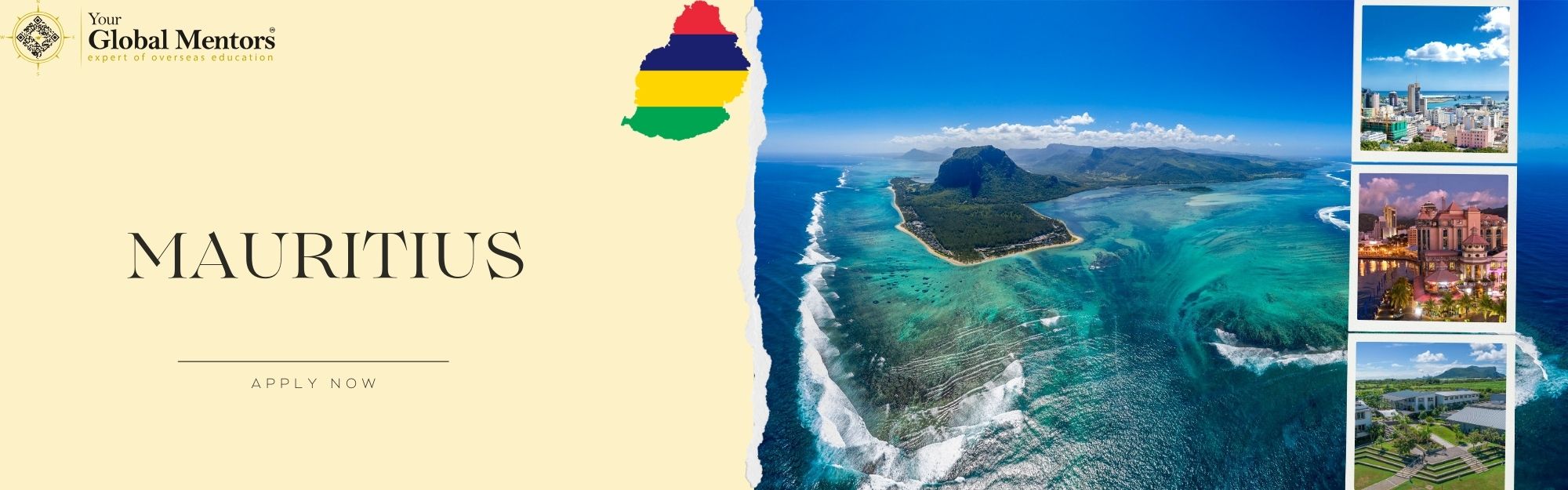

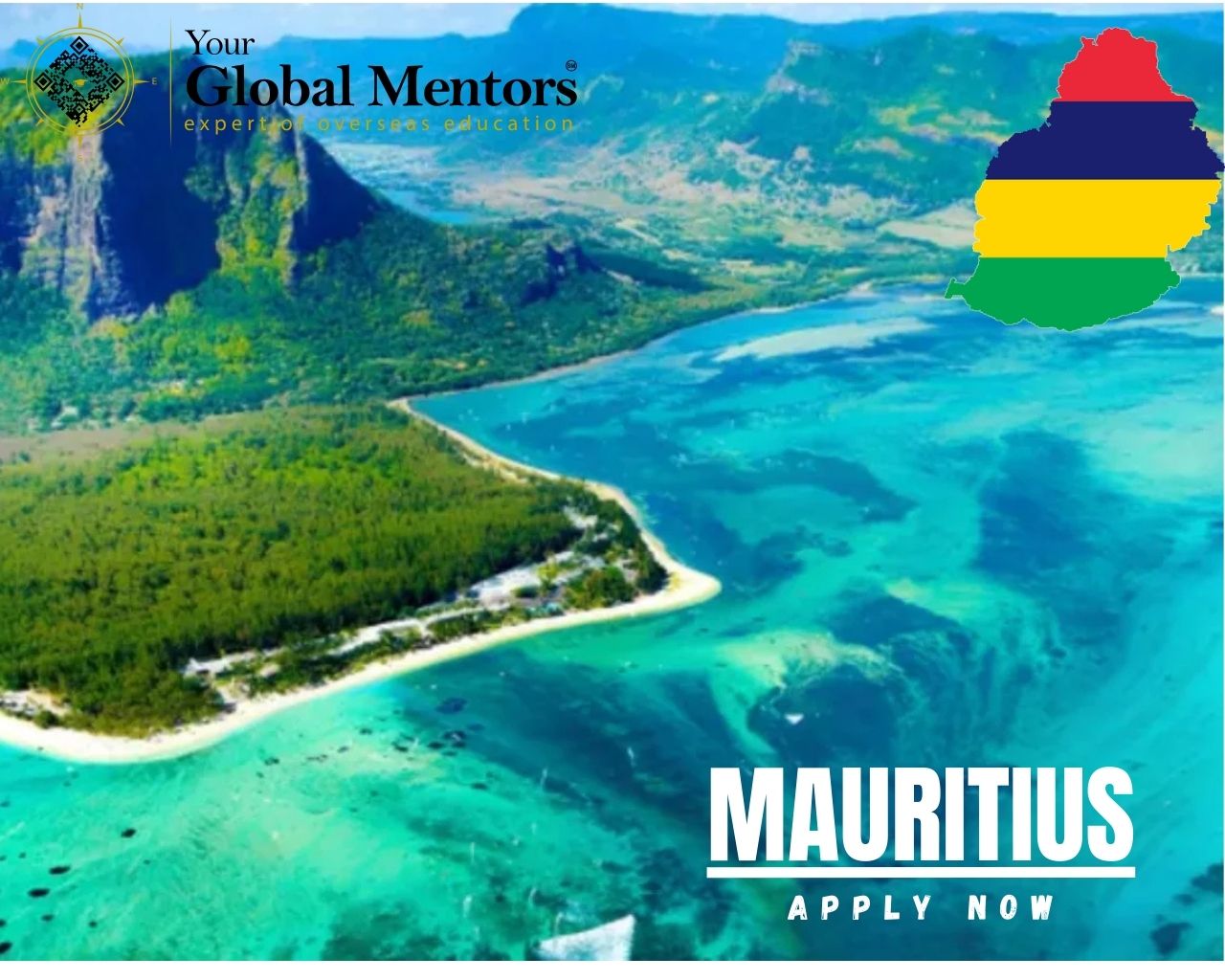
Why Study in Mauritius?
If you're exploring affordable, English-friendly destinations to study abroad, Mauritius deserves serious consideration. This tropical island nation in the Indian Ocean has quietly become one of the most attractive places for international students, especially those from India, thanks to its unique blend of quality education, low costs, and a multicultural, welcoming environment. For 2026-2027, the case to study in Mauritius is stronger than ever.
Mauritius offers a refreshing alternative to the US, UK, or Canada; you get internationally recognized degrees, English-taught programs, and a vibrant campus life, all without the financial strain of Western education systems. The country's academic excellence stems largely from its branch campuses of globally respected universities, including Middlesex University, Curtin University Mauritius, and Amity Global Business School, alongside strong public institutions like the University of Mauritius (UoM) and the University of Technology, Mauritius (UTM).
What makes affordable education in Mauritius particularly appealing is the tuition fee structure; undergraduate programs typically range between MUR 80,000 and MUR 330,000 per year, a fraction of comparable Western tuition. This affordability, paired with a high standard of higher education in Mauritius, makes it a smart, budget-conscious choice for ambitious students.
Mauritius also boasts a genuinely international student environment, with a multicultural population of Indian, African, French, and Chinese heritage, making Indian students feel right at home, especially with the prevalence of Hindi-speaking communities and Indian festivals celebrated island-wide.
Finally, degrees earned here, particularly through branch campuses, are recognized internationally, opening pathways to further study or employment across the UK, EU, and beyond.
Ready to start your journey? Contact Your Global Mentors today and discover everything it takes to study in Mauritius.
Facts About Mauritius
1. Mauritius is a tropical island nation in the Indian Ocean, located between Africa and Asia.
2. English is the official language of instruction, with French widely spoken as well.
3. The country hosts branch campuses of globally respected universities like Middlesex, Curtin, and Amity.
4. Mauritius has a large Indian diaspora, with Hindi and Bhojpuri commonly spoken alongside Creole.
5. It's one of Africa's most politically stable and business-friendly nations.
6. Mauritius is recognized as one of the safest countries for international students.
7. The tropical climate offers warm weather year-round, ideal for students who enjoy outdoor life.
8. Tertiary education is regulated by the Tertiary Education Commission (TEC), ensuring quality standards.
9. Mauritius is positioning itself as a growing education and business hub for the Indian Ocean region.
10. Students can work part-time up to 20 hours per week during the academic term, among the most generous allowances for international students globally.
Living Costs in Mauritius — Monthly Breakdown
|
Expense Category |
Estimated Monthly Cost (MUR) |
Estimated Monthly Cost (INR) |
|
Accommodation |
MUR 8,000 – 15,000 |
16,011.02 – 30,020.66 |
|
Food & Groceries |
MUR 6,000 – 10,000 |
12,008.26 – 20,013.77 |
|
Transportation |
MUR 1,000 – 2,000 |
2,001.38 – 4,002.75 |
|
Health Insurance |
MUR 3,000 – 5,000 |
6,004.13 – 10,006.89 |
|
Study Materials & Miscellaneous |
MUR 2,000 – 4,000 |
4,002.75 – 8,005.51 |
|
Total Estimated Monthly Cost |
MUR 20,000 – 36,000 |
40,027.54 – 72,049.58 |
1. Accommodation (MUR 8,000 - 15,000/month)
This is typically the largest line item in a student's budget, though it's remarkably modest compared to Western study destinations. The range depends mainly on type and location:
2. Food and Groceries (MUR 6,000 - 10,000/month)
Mauritius offers genuinely affordable food options, especially compared to Europe or North America:
3. Transportation (MUR 1,000 - 2,000/month)
Getting around in Mauritius is one of the more pleasant cost surprises for international students:
4. Health Insurance (MUR 3,000 - 5,000/month), Mandatory
This is a non-negotiable, fixed cost for every international student:
5. Study Materials & Miscellaneous (MUR 2,000 - 4,000/month)
This smaller but easy-to-overlook category includes:
While modest individually, these add up; students who track this category tend to manage their overall budget more effectively.
Why the Range Is So Wide: MUR 20,000-36,000/month
The roughly MUR 16,000 spread mostly comes down to lifestyle choices rather than location, unlike in more expensive countries. A student living in a hostel, cooking at home, and using subsidized transport could land near MUR 20,000/month, while a student renting privately, eating out often, and commuting longer distances might reach MUR 36,000/month.
How Students Offset These Costs
*Note: All the costs mentioned are estimates and are subject to change.
Benefits of Studying in Mauritius
Choosing to study in Mauritius comes with a long list of benefits that go well beyond cost savings, making it an increasingly popular pick among international students in Mauritius from India and across Asia and Africa.
Quality education is at the heart of Mauritius' appeal. With branch campuses of internationally accredited universities and a regulatory framework overseen by the Tertiary Education Commission, the Mauritius education system ensures consistent academic standards across public and private institutions alike.
Many programs offered through branch campuses carry EU- and UK-recognized degrees, since institutions like Middlesex University and Assas University award qualifications validated by their home campuses in Europe, giving graduates credibility that extends well beyond Mauritius's shores.
Cultural diversity is woven into everyday life here. Mauritius is a true melting pot of Indian, African, European, and Chinese influences, creating a rich, welcoming social fabric that helps international students adjust quickly, particularly Indian students who find cultural and culinary familiarity almost immediately.
Safety and a student-friendly environment are standout features. Mauritius is known for low crime rates and political stability, giving students and parents genuine peace of mind throughout the study in Mauritius journey.
The island's location also opens up excellent travel opportunities, with stunning beaches, nature reserves, and easy regional connectivity for students wanting to explore the wider Indian Ocean and African continent during breaks.
Finally, Mauritius is steadily growing as a hub for research and innovation, particularly in fintech, IT, biotechnology, and renewable energy, sectors the government is actively promoting for long-term economic growth.
Curious how these benefits align with your goals? Connect with Your Global Mentors to explore your best-fit university and program.
No universities listed for Mauritius yet.
No scholarships available right now.
Program Duration in Mauritius
Understanding how long each program takes helps you plan your finances, visa timeline, and career trajectory when you study in Mauritius.
Bachelor's programs typically run for 3 years, covering popular fields like business management, IT, engineering, and hospitality. Tuition for a Bachelor's degree in Mauritius generally costs between USD 2,500 and 5,000 per year, making it one of the most cost-effective undergraduate options available to international students.
Master's programs usually take 1.5 to 2 years to complete. A Master's in Mauritius is especially popular in business administration, finance, and IT-related specializations, with annual fees ranging from approximately USD 3,000–6,000 depending on the institution and branch-campus affiliation.
MBA programs are widely available through institutions like Whitefield Business School and Amity Global Business School, typically spanning 12 to 24 months. Many MBA programs in Mauritius are awarded in partnership with internationally recognized universities, adding global credibility to the qualification while keeping costs significantly lower than Western counterparts.
PhD programs in Mauritius generally take 3 to 5 years, often pursued at the University of Mauritius or through research collaborations with partner institutions abroad. While funded opportunities are more limited than in some Western countries, the overall cost remains considerably lower.
Academic intake periods in Mauritius typically follow two main cycles, a primary intake in September/October and a secondary intake in January/February, though exact dates vary by university and program.
Not sure which course length fits your goals? Let Your Global Mentors guide you through the right academic pathway to study in Mauritius.
Work opportunities in Mauritius
A. Most In-Demand Careers
Mauritius's growing, diversified economy creates solid work opportunities in Mauritius for graduates across multiple sectors, making it an increasingly practical choice for career-focused students.
IT and Software Development is a fast-growing field, supported by Mauritius's expanding tech infrastructure and government push toward becoming a regional digital hub, with rising demand for software developers and cybersecurity specialists.
Engineering professionals find opportunities in construction, renewable energy, and manufacturing, sectors that continue to expand as Mauritius diversifies beyond tourism.
Business and Finance remain core strengths. Mauritius is a well-established offshore financial hub, creating strong demand for graduates in banking, accounting, and international finance, particularly in business hubs like Ebene's Cyber City.
Healthcare careers are growing steadily, with increasing demand for qualified nurses, healthcare administrators, and medical professionals as the country invests in its health infrastructure.
Logistics and Supply Chain roles benefit from Mauritius's strategic position as a maritime and trade gateway between Africa and Asia, creating openings in port operations, freight, and trade management.
Data Science and AI are an emerging priority sector, with the government actively encouraging investment in fintech, AI, and biotechnology, creating fresh post-study work opportunities in Mauritius for tech-savvy graduates.
Foreign students can work up to 20 hours/week during term time, and graduates may transition into a Young Professional Occupation Permit, making the path from study in Mauritius to employment relatively smooth.
B. Popular Courses to Study in Mauritius
Choosing the right course is central to a successful study experience in Mauritius, and certain disciplines consistently stand out for their quality and career relevance.
Computer Science is in high demand, with strong programs in software engineering, cybersecurity, and networking offered at institutions like Université des Mascareignes and Rushmore Business School, many fully taught in English in Mauritius.
Engineering programs across mechanical, civil, and electrical disciplines are offered at the University of Mauritius and UTM, backed by practical, industry-aligned curricula.
Business Management is among the most popular fields, with BBA and MBA programs widely available at private institutions like Amity Global Business School and Whitefield Business School, appealing strongly to Indian students.
Finance and Accounting courses benefit from Mauritius's status as an international financial services hub, giving students exposure to real-world banking and offshore finance operations.
Medicine programs, including MBBS, are offered at select institutions, with annual costs running higher than other disciplines (often USD 6,000-12,000), though still considerably more affordable than Western medical degrees.
Hospitality and Tourism is a natural specialty for Mauritius, given its globally renowned tourism industry. Programs here combine classroom learning with hands-on exposure to luxury resorts and hospitality operations.
Artificial Intelligence is an emerging area of focus, supported by Mauritius's push to attract investment in AI, fintech, and biotechnology, creating new academic tracks aligned with future-ready careers.
Want to know which courses align with the strongest job prospects? Not sure which course suits your ambitions? Let Your Global Mentors help you choose the perfect program to study in Mauritius.
Frequently Asked Questions (FAQs)
1. Do
Indian students need a visa to study in Mauritius?
Yes. Indian students need a Mauritius Student Visa, applied for through their
tertiary institution, along with proof of admission, funds, and accommodation.
2. Are
scholarships in Mauritius available for international students?
Yes, though limited. Several universities and the Mauritian government offer
merit-based scholarships and tuition assistance, especially for postgraduate
and research programs.
3. Are
there English-taught programs in Mauritius?
Yes, the vast majority of programs are taught in English, making it especially
convenient for Indian students with an English-medium academic background.
4. Are
there post-study work opportunities in Mauritius?
While Mauritius doesn't offer a formal post-study work visa, graduates can
apply for a Young Professional Occupation Permit (YPOP) if they secure a job
offer after completing their degree.
5. Is
there a PR pathway after studying in Mauritius?
Yes, graduates who hold an Occupation Permit for at least 3 years may apply for
Permanent Residency under the Professional PR category.
Have more questions about eligibility, costs, or visa steps? Connect with Your Global Mentors for complete, personalized guidance on your journey to study in Mauritius.