

Why Study in Australia?
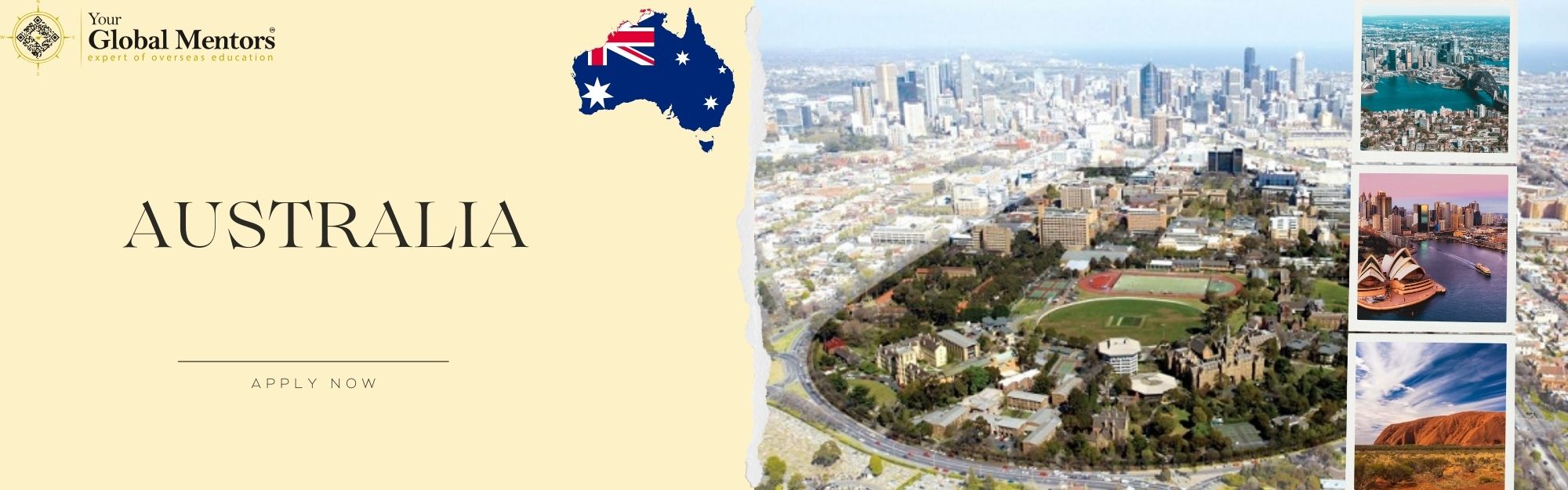
For Indian students seeking a world-class English-speaking study destination with globally recognized degrees, a generous post-study work pathway, and one of the most straightforward permanent residency routes available to skilled graduates, Australia remains one of the most powerful academic investments you can make. In 2026-2027, the case to study in Australia continues to be driven by extraordinary academic quality, a vibrant multicultural society, and immigration policies that actively work to retain talented international graduates in the country's workforce.
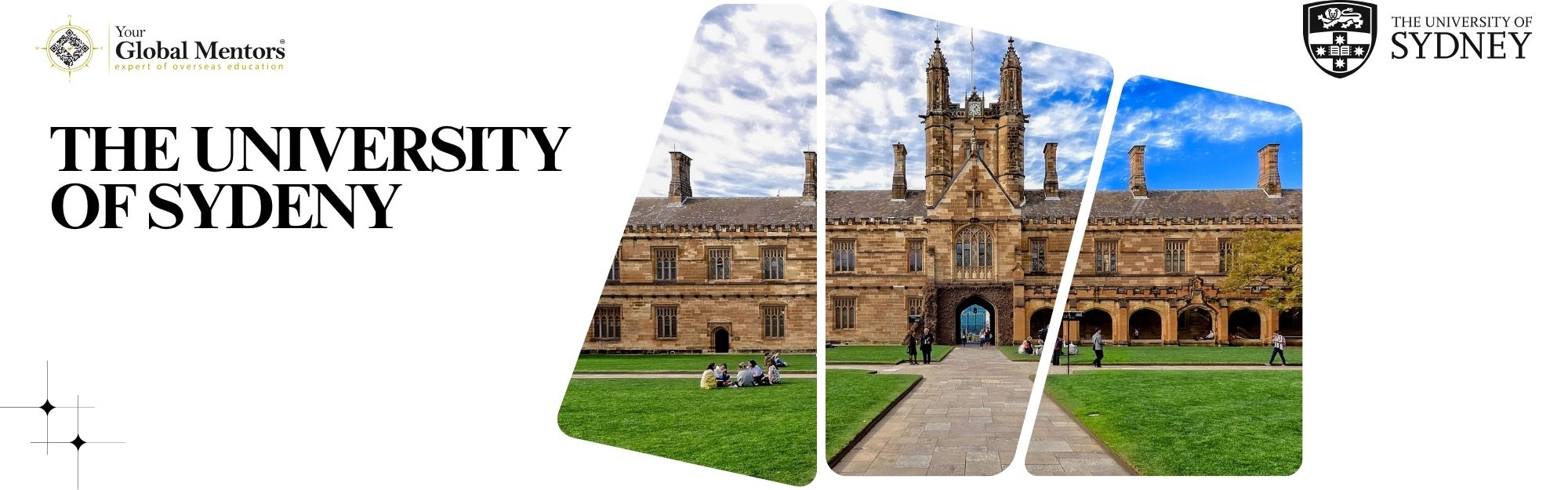
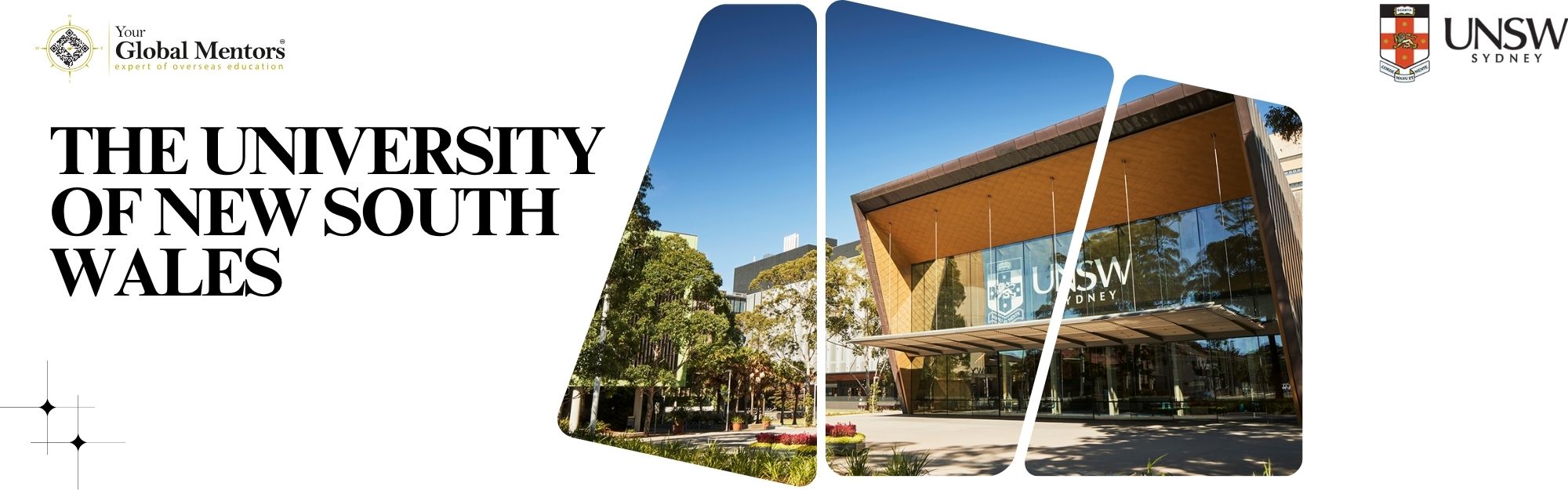
Australia is home to eight globally ranked Group of Eight (Go8) research universities, the University of Melbourne, ANU, University of Sydney, UNSW Sydney, University of Queensland, Monash University, the University of Western Australia, and the University of Adelaide, all consistently ranked among the world's top 150 universities in QS World University Rankings 2026. This concentration of world-class institutions means that wherever you study in Australia, you gain access to genuinely frontier research, industry-connected curricula, and a degree that employers worldwide recognize and respect.
Academic excellence in Australia is underpinned by a rigorous quality assurance framework overseen by the Tertiary Education Quality and Standards Agency (TEQSA), ensuring consistent standards across all CRICOS-registered institutions. Australian universities invest heavily in research and innovation, particularly in biomedical science, engineering, environmental science, and technology, producing graduates who are analytical, creative, and genuinely job-ready.
When it comes to affordable education in Australia, tuition fees for international students range from AUD 20,000-45,000 per year for most programs, with top-tier Group of Eight universities and specialized degrees ranging higher. While Australia is not the cheapest destination on paper, the combination of high graduate salaries, generous part-time work rights during study, Research Training Program (RTP) scholarships that fully fund PhD programs, and the 485 post-study work visa that gives graduates 2-4 years of unrestricted work rights makes the overall financial equation genuinely compelling.
The international student environment in Australia is one of the world's most diverse and welcoming, with over 500,000 international students enrolled across Australian institutions - and Indian students forming one of the largest and most established international student communities in the country.
Degrees earned when you study in Australia are globally recognized, valued by employers across the UK, EU, USA, Asia, and India, and particularly respected in engineering, business, healthcare, and IT, making an Australian degree one of the most internationally versatile qualifications you can hold.
Ready to explore Australia as your next academic home? Connect with Your Global Mentors today for expert guidance on your study in Australia journey in 2026-2027.
Facts About Australia
Estimated Monthly Living Cost for International Students in Australia
|
Expense Category |
Average Monthly Cost (AUD) |
Approx. Cost (₹)* |
|
Accommodation |
A$800-1,800 |
₹45,000-₹1,01,000 |
|
Food & Groceries |
A$300-600 |
₹17,000-₹34,000 |
|
Transportation |
A$100-200 |
₹5,600-₹11,200 |
|
Utilities & Internet |
A$150-300 |
₹8,400-₹16,800 |
|
Personal Expenses |
A$200-500 |
₹11,200-₹28,000 |
|
Total Estimated Monthly Cost |
A$1,550-3,400 |
₹87,000-₹1,90,000 |
Accommodation:
Accommodation is usually the largest monthly expense for international students in Australia. Depending on the city, type of housing, and whether you choose shared or private accommodation, you can expect to spend A$800-1,800 (₹45,000-₹1,01,000) per month.
Food &
Groceries:
Monthly food costs generally range from A$300-600 (₹17,000-₹34,000). Cooking
meals at home is the most affordable option, while eating out frequently can
increase your expenses.
Transportation:
Public transport is reliable across most Australian cities. Students typically
spend A$100-200 (₹5,600-₹11,200) per month on buses, trains, or trams, with
many states offering discounted student fares.
Utilities
& Internet:
Utilities such as electricity, water, gas, and internet usually cost A$150-300
(₹8,400-₹16,800) per month. These costs may already be included in the rent for
some student accommodations.
Personal
Expenses:
Personal expenses include mobile phone bills, entertainment, clothing,
toiletries, and other daily needs. These typically range from A$200-500
(₹11,200-₹28,000) per month, depending on your lifestyle.
Total
Estimated Monthly Cost:
Overall, international students in Australia generally need A$1,550-3,400
(₹87,000-₹1,90,000) per month to cover their living expenses. The exact amount
depends on the city, accommodation choice, and individual spending habits.
*Note: All the costs mentioned are estimates and are subject to change.
Benefits of Studying in Australia
Choosing to study in Australia in 2026-2027 delivers a uniquely powerful combination of world-class academic credentials, a genuinely welcoming multicultural society, strong graduate employment prospects, and one of the most well-structured permanent residency pathways available to skilled international graduates anywhere in the English-speaking world.
Quality education is the defining strength of the Australian academic experience. The Australian education system combines rigorous academic foundations with practical, industry-linked learning, a combination reinforced by mandatory work-integrated learning components in many programs, particularly in engineering, nursing, business, and IT. TEQSA oversight ensures consistent quality across all CRICOS-registered institutions, giving every Australian degree genuine international credibility.
Australian degrees are globally recognized and respected by employers, professional bodies, and institutions worldwide. While Australia is not part of the EU, Australian qualifications are recognized under bilateral agreements with the UK, New Zealand, and internationally, and degrees from Go8 universities carry brand recognition equivalent to the world's finest institutions. A Bachelor's degree in Australia or Masters in Australia from institutions like the University of Melbourne, Monash, or ANU is valued by employers on every continent.
Cultural diversity is genuinely embedded in everyday Australian life. Australia is one of the world's most multicultural nations, with over 30% of its population born overseas. Indian students arrive in a deeply established Indian community, the second-largest migrant group in Australia, providing cultural familiarity, community support, and professional networking from the very first week.
Safety and a student-friendly environment are hallmarks of Australian student life. Australia consistently ranks among the world's safest countries, with a strict rule of law, excellent public services, and universities that invest heavily in international student support, mental health services, and career guidance.
Australia's extraordinary geography creates unmatched travel opportunities - from the Great Barrier Reef and Uluru to Sydney Harbour and the Daintree Rainforest, the country itself is one of the world's great travel destinations, with major cities also offering direct international flight connections to Southeast Asia, India, and beyond.
Australia leads the world in research and innovation, particularly in biomedical science, renewable energy, environmental science, and agricultural technology, with Go8 universities maintaining deep research partnerships with global companies and government agencies that give students direct access to frontier research from their first year.
Curious how these benefits align with your specific academic and career goals? Connect with Your Global Mentors for a free personalized consultation on your study in Australia plans.




No scholarships available right now.
Program Duration in Australia
Understanding program lengths is a critical part of planning your study in Australia journey, particularly because program duration directly affects your Subclass 485 post-study work visa entitlement and PR pathway strategy.
Bachelor's programs in Australia typically run for 3 years for most disciplines, with honors programs extending to 4 years. Engineering, medicine, pharmacy, and law programs generally run 4 years or longer. Tuition fees for Bachelor's degrees range from approximately AUD 20,000-45,000 per year, with engineering and health sciences programs at the upper end. A Bachelor's degree in Australia from Go8 institutions carries exceptional global brand recognition, and graduates qualify for the Subclass 485 post-study work visa upon completion.
Master's programs are generally 1.5 to 2 years in duration and are the most popular entry point for Indian students who choose to study in Australia. Annual tuition for postgraduate coursework programs ranges from AUD 22,000 to 65,000 depending on the institution and discipline. A Master's in Australia in IT, engineering, nursing, or business administration delivers strong graduate employment outcomes and qualifies graduates for the Subclass 485 visa, with priority fields like nursing, engineering, and IT receiving up to 4 years of post-study work authorization.
MBA programs at Australian business schools, including Melbourne Business School, UNSW Business School, and Monash Business School, are among Asia-Pacific's most respected, typically spanning 12 to 18 months. Top-tier universities and specialized degrees, including MBA programs, can cost AUD 55,000-90,000 per year, though the extraordinary corporate network access and graduate salary outcomes at Go8 business schools deliver strong long-term ROI.
PhD programs in Australia are fully funded through the Research Training Program (RTP) for eligible candidates. The Research Training Program (RTP) gives PhD and Master's by Research students a living stipend of AUD 34,315+ per year and pays for all of their tuition. PhD programs generally run 3 to 4 years, and PhD graduates under 50 years of age qualify for the Subclass 485 visa with extended work authorization.
Academic intake periods in Australia follow a primary February intake (Semester 1) - the most popular with the widest program availability and the strongest scholarship options - and a secondary July intake (Semester 2). For Indian students targeting February 2027, applications should begin from July 2026, with scholarship deadlines typically falling in October or November 2026.
Not sure which program and intake fit your goals? Let Your Global Mentors map out your ideal study in Australia academic pathway for 2026-2027.
Work Opportunities in Australia
A. Most In-Demand Careers
Australia's strong, diversified economy, the 13th largest in the world - combined with consistent skills shortages across technology, healthcare, engineering, and construction sectors, creates genuinely strong work opportunities in Australia for skilled international graduates, particularly those whose qualifications align with the Skilled Occupation List.
IT and Software Development is one of Australia's highest-demand professional sectors, with consistent shortages of software engineers, cybersecurity specialists, cloud architects, and data engineers across Sydney, Melbourne, Brisbane, and Perth. IT occupations are firmly on the Skilled Occupation List, creating clear pathways from study to permanent residency for graduates who study in Australia in technology disciplines.
Engineering professionals, particularly civil, structural, electrical, mechanical, and software engineers, are in persistently high demand driven by Australia's massive infrastructure investment pipeline, including rail, roads, renewable energy, and defense. Engineering is a core Skilled Occupation List category, making it one of the strongest PR-pathway disciplines available.
Business and Finance careers thrive in Sydney and Melbourne, where Australia's financial services sector, investment banks, insurance companies, and corporate headquarters actively recruit graduates with internationally recognized business qualifications and strong analytical skills.
Healthcare is Australia's fastest-growing employment sector, with registered nurses, aged care workers, physiotherapists, pharmacists, and medical practitioners all on the Skilled Occupation List, creating some of the strongest and most direct pathways from study to permanent residency available in the Australian immigration system.
Logistics and Supply Chain careers benefit from Australia's significant mining, agricultural, and manufacturing export economy, creating professional openings in freight, port operations, supply chain management, and international trade across all major Australian states.
Data Science and AI are one of Australia's most rapidly expanding career fields, with major companies and government agencies investing heavily in AI research, data infrastructure, and digital transformation, creating strong post-study work opportunities in Australia for analytically skilled graduates from virtually every Australian research university.
Want to align your course with Australia's strongest employment sectors? Speak with Your Global Mentors for expert career-pathway guidance.
5B. Popular Courses to Study in Australia
Choosing the right course is the most important decision in your study in Australia journey - and courses aligned with Australia's Skilled Occupation List consistently deliver the strongest combination of academic quality, graduate employment outcomes, and permanent residency pathways.
Computer Science programs at UNSW Sydney, the University of Melbourne, Monash University, and the University of Queensland are globally respected, with ICT occupations firmly on the Skilled Occupation List, giving computer science graduates a clear PR pathway through Subclass 189 or 190 skilled migration visas after gaining Australian work experience on the 485 visa.
Engineering - spanning civil, structural, electrical, mechanical, and software engineering- is the academically and strategically most powerful field for Indian students who study in Australia targeting permanent residency. All major engineering disciplines are on the Skilled Occupation List, and engineering graduates consistently achieve strong points scores for skilled migration.
Business Management programs at Melbourne Business School, UNSW Business School, and Monash Business School attract significant numbers of international students in Australia, offering internationally accredited qualifications with extraordinary corporate network access and graduate employment outcomes across the Asia-Pacific region.
Finance and Accounting courses benefit from Sydney and Melbourne's status as major financial centers, giving students direct exposure to Australian banking, investment management, and the growing fintech sector, with accounting occupations on the Skilled Occupation List providing additional PR pathway strength.
Medicine programs at the University of Melbourne, University of Sydney, Monash University, and the University of Queensland are among the Asia-Pacific's most prestigious and globally respected. While highly competitive and carrying premium tuition fees, Australian medical degrees are recognized by the Australian Medical Council, India's NMC, and internationally.
Hospitality and Tourism programs are well-represented across Australia, with institutions like the William Angliss Institute and university-based hospitality programs providing strong practical training backed by Australia's world-class tourism and hospitality industry.
Artificial Intelligence is rapidly becoming one of Australia's most strategically important academic disciplines, with dedicated AI programs at UNSW, the University of Melbourne, and ANU directly aligned with Australia's national AI ethics framework and growing industry investment in machine learning and data science.
Not sure which course best aligns with your career and PR goals? Let Your Global Mentors help you shortlist the ideal program to study in Australia in 2026-2027.
Frequently Asked Questions (FAQs) - Study in Australia
1. Do
Indian students need a visa to study in Australia?
Yes. Indian students need a Student Visa (Subclass 500) for full-time study at
CRICOS-registered institutions. The visa application fee increased to AUD 2,000
as of July 1, 2025. Students must demonstrate proof of funds covering at least
AUD 24,505 in living expenses for the first year, plus first-year tuition fees.
The Genuine Student (GS) requirement mandates a clear, personalized statement
of purpose; a poorly prepared GS statement is one of the most common reasons
for visa refusal for Indian applicants in 2026.
2. Are
scholarships in Australia available for international students?
Yes. The Australia Awards Scholarships are open to people from certain
countries, including India, funded by the Australian government, covering the
full cost of tuition, the round-trip flight, a living stipend, and health
insurance. The Destination Australia Program provides AUD 15,000/year for
regional campus study. The Research Training Program (RTP) fully funds PhD and
Master's by Research programs with stipends of AUD 34,315+/year. Most Go8
universities also offer merit-based Vice-Chancellor's awards covering 10–25% of
tuition.
3. Are
there English-taught programs in Australia?
Yes, virtually all programs at Australian universities are taught in English,
making it one of the most accessible destinations for Indian students already
educated in English-medium institutions. Most universities require IELTS 6.5
overall (with no band below 6.0) for undergraduate admission, and IELTS 6.5-7.0
for postgraduate programs.
4. Is
there a PR pathway after studying in Australia?
Yes. The Subclass 485 Temporary Graduate Visa can lead to permanent residency
(PR) in Australia through the points-tested stream on Subclass 189 and 190,
employer-sponsored visas, and state-nominated visas. Graduates who gain skilled
work experience on the 485 visa in Skilled Occupation List occupations improve
their points score and become eligible for PR through Subclass 189 (Skilled
Independent) or Subclass 190 (Skilled Nominated) visas. Regional study offers an extended Subclass 485 duration of 1-2 additional years and +5 bonus points for
PR under the points system.
5. When
are the academic intake periods in Australia?
Australia offers two main intakes: a primary February intake (Semester 1), with
the widest program availability and strongest scholarship options, and a
secondary July intake (Semester 2). For Indian students targeting February
2027, applications should begin from July 2026, with scholarship deadlines
typically falling in October or November 2026. Financial documents should show
at least 3 months of consistent, verifiable transaction history before a visa
application.
Have more questions about eligibility, university selection, scholarship applications, the Genuine Student requirement, or the Subclass 500 visa process? Connect with Your Global Mentors for comprehensive, personalized, end-to-end guidance on your journey to study in Australia in 2026-2027.